
What Are Disc Filter Bags? Design, Function, and Key Benefits Explained
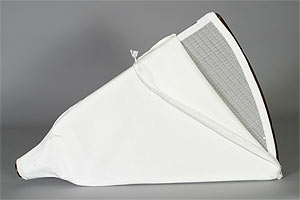
Disc filter bags are specialized textile filtration elements engineered for use in rotary vacuum disc filters. These systems are widely used in industries such as mining, minerals, chemicals, pulp and paper, and water treatment for continuous solid-liquid separation. In processes where slurry contains low solid concentrations but demands high throughput, consistent particle capture, and reliability, disc filter bags are an indispensable solution.
By combining precision tailoring, durable construction, and optimized cake release characteristics, they ensure smooth operation, reduced downtime, and cost-effective performance across multiple industries.
Understanding Disc Filter Bag Design
Disc filter bags are not “one size fits all.” They are engineered to fit tightly around disc sectors, creating a seal that allows vacuum-assisted filtration to work efficiently. Their design directly influences filtration efficiency, cake quality, and service life.
Structure and Construction
Precision-Fitted Panels: Each bag is manufactured to the exact dimensions of the disc sector. Proper fit is essential to prevent leakage, maintain vacuum suction, and optimize cake formation. Even small deviations can reduce performance and increase maintenance frequency.
Material Selection: Fabrics such as polypropylene (PP), polyester (PET), and nylon (PA) are chosen based on the chemical composition of the slurry, temperature range, and abrasion resistance required. For example, PET offers higher thermal tolerance, while PP is more resistant to aggressive chemicals.
Customizable Pore Sizes: Depending on the slurry type, filter bags can be designed with pore openings ranging from 10 to 200 microns, ensuring the right balance between filtration speed and particle retention.
Reinforcement and Closures: Disc filter bags feature reinforced stitching or welded edges, plus closures like zippers, Velcro, or drawstrings. These ensure a secure fit during operation and simplify removal and installation, reducing downtime during maintenance.
Flat vs. Corrugated Styles: Corrugated bags increase surface area, improving throughput and cake drying, while flat bags are used for less demanding applications.
How Disc Filter Bags Function
The operation of disc filter bags within rotary vacuum disc filters involves a continuous cycle of filtration, cake formation, drying, and discharge. This ensures efficiency in large-scale processes.
Continuous Filtration Cycle
Vacuum-Assisted Separation: As the filter disc rotates through the slurry tank, vacuum suction pulls liquid through the fabric. The disc filter bag retains suspended solids on its surface while filtrate passes through.
Cake Formation: Retained solids accumulate to form a filter cake. This cake itself becomes a secondary filter layer, improving the capture efficiency of finer particles that the fabric alone might miss.
Cake Drying: Once the disc rotates out of the slurry, the vacuum continues to draw liquid out of the cake, reducing moisture content. This step is critical in industries like mining, where dry cakes reduce disposal costs and improve downstream efficiency.
Automated Cake Discharge: Mechanical scrapers or back-blow systems remove the dried cake from the disc surface, readying the bag for the next cycle. This allows continuous, automated operation with minimal operator intervention.
This process allows disc filter bags to run for extended cycles with high efficiency and reliability, making them well-suited for industries that rely on round-the-clock operations.
Key Benefits of Disc Filter Bags
Disc filter bags are designed not just to filter effectively but also to contribute to cost reduction, productivity, and operational reliability. Their advantages can be broadly divided into performance and operational benefits.
Performance Advantages
High Throughput with Precision Filtration: Capable of processing large slurry volumes without sacrificing particle capture efficiency.
Superior Cake Release Properties: Engineered surface finishes prevent sticking and allow uniform cake detachment, minimizing downtime.
Extended Service Life: Made with abrasion-resistant fibers and reinforced construction, these bags endure harsh chemicals, high mechanical stress, and repetitive cake discharges.
Operational Benefits
Simplified Maintenance: Custom-fit bags with closure systems allow quicker replacement, saving labor time and minimizing process interruptions.
Vacuum Efficiency: Designed to maintain consistent air permeability, ensuring stable vacuum levels and reducing energy consumption.
Lower Operating Costs: A longer service life, fewer replacements, and reduced downtime result in a lower cost per filtration cycle.
Why Disc Filter Bags Are Preferred for Disc Filter Systems
Disc filter bags are specifically engineered for continuous, high-volume processes with low solid concentrations. Unlike general-purpose filter cloths, they deliver superior efficiency and cake handling in specialized applications.
Specialized Use Cases
Low Solid Concentration Processing: Maintains slurry throughput without clogging, critical in wastewater and mineral processing.
24/7 Continuous Operations: Ideal for industries that cannot afford frequent shutdowns, such as mining and pulp & paper.
Moisture Control: Enhanced dewatering capabilities reduce energy costs in downstream drying or disposal stages.
Industry Applications
Mining & Minerals: Essential for dewatering iron ore, copper, zinc, lead concentrates, and tailings. Their robust design withstands abrasive conditions and improves recovery efficiency.
Chemicals: Used in phosphoric acid, alumina, and titanium dioxide production, where chemical resistance and precise particle retention are critical.
Pulp & Paper: Applied in fiber recovery, recycled paper processing, and sludge thickening—helping mills improve efficiency and reduce waste.
Water & Wastewater Treatment: Enables efficient sludge thickening, industrial effluent filtration, and municipal wastewater management.
Conclusion
Disc filter bags are mission-critical components in rotary vacuum disc filters, enabling efficient, reliable, and cost-effective solid-liquid separation. Their precision fit, tailored design, durable construction, and enhanced cake release properties make them superior to generic filtration solutions.
By selecting the right filter bag material and design for each process, companies can achieve measurable gains in throughput, product quality, and cost efficiency.
For industries seeking to optimize operational performance, partnering with experienced manufacturers like Technical Textiles India provides access to custom-engineered disc filter bags tailored to the unique challenges of your specific application. This translates to better efficiency, fewer disruptions, and long-term value.
